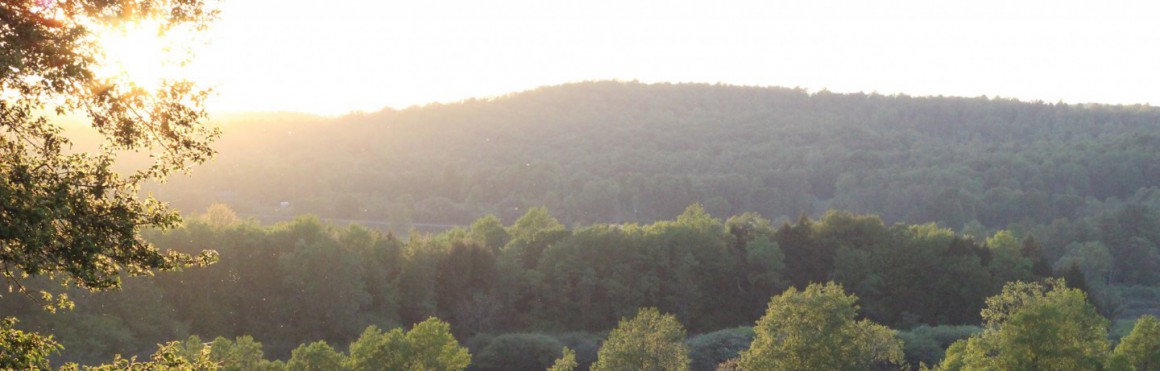
When we first looked at Far Away Farm with our friends Katie and Will, we knew we’d have to do some work on the house. Not because it was falling down–in fact, the previous owner had almost obsessively invested in the farmhouse’s infrastructure. He also invested in an impressive amount of blue and pink floral wallpaper, and as we walked through each pastel room, we cheerfully tallied up all the things we’d like to change.
The week we closed on the house we blew through the house in a frenzy, tearing layers of wallpaper away, painting trim (formerly beige) bright white, furiously scrubbing woodwork with soap. Afterwards, we sat downstairs, the plaster walls mottled and pocked from 120 years of renovations, the heavy decorative woodwork a deeply unfashionable red mahogany, and I felt no sense of accomplishment. Only melancholy.
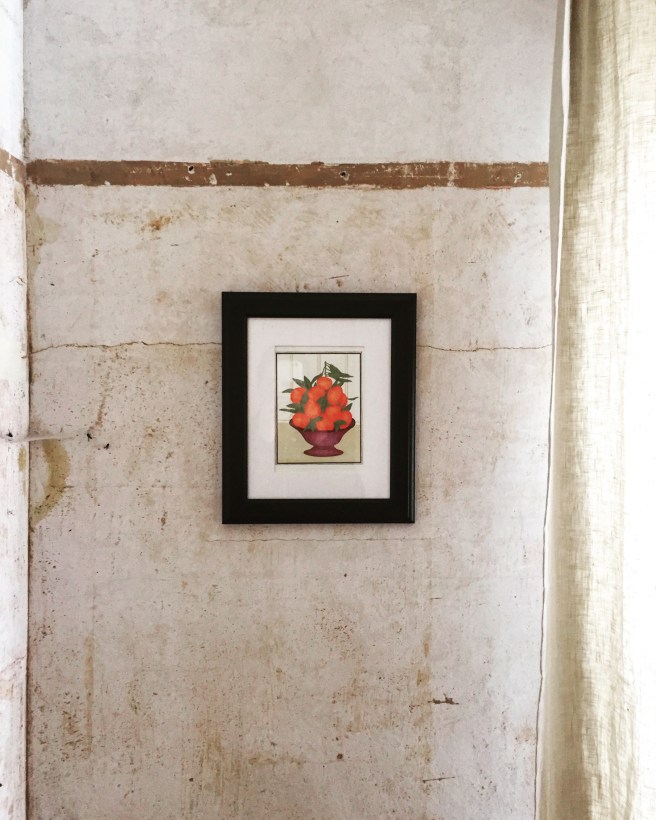
Because where do you go from here? We exposed the house’s original bones and I fell in love. It looked old now. It looked like a place where my great grandparents could have listened to the radio, where my great grandmother could’ve baked on wood fired stove. I couldn’t paint over the horsehair plaster walls, over 120 years old and stained with paint and age. The image of a light, bright catalog ready farmhouse no longer felt right. We were crippled with fear of doing the wrong thing.
Now a year and a half later, surrounded by those same crumbling walls, we think we finally understand what we need to do. We’re slowly making the age of the house visible again by preserving or reviving textures, wood grains, natural wear and tear. And hopefully, by the end, it’ll be what I think it was meant to be–not a pastoral decorative museum, but a real, working farmhouse. The kind of place that, each time you cross the threshold you feel the deep, satisfying thrum of a hard day’s work. Home.
 a far away farm